Disability-Specific Group Education; is support education in which children with a similar developmental level and needs come together in small groups and reinforce their skills of social interaction, cooperation, turn-taking and peer modelling.
The theoretical and practical skills acquired in individual education are transferred to the peer environment in group education, thereby making them permanent.
The Pedagogical Dynamics of Group Education
Social Acceptance, Imitation and Shared Experience- Homogeneous Group Matching: Peer groups are formed that will trigger one another positively, taking into account the children's age, cognitive capacity and communication levels.
- Waiting One's Turn and Complying with Rules: Developing the discipline of taking the floor within the group, waiting for one's turn and complying with common instructions.
- Peer Imitation and Modelling: The child naturally imitates speech, play and self-care behaviours by observing their peers.
- Sharing and Cooperation: Awareness of sharing materials, helping one another and moving together towards a common goal.
The Activities Applied in Group Sessions
Interactive Games and Creative Work- Rule-Based Table and Floor Games: Interactive box and group games that support cognitive flexibility and impulse control.
- Social Drama and Role Play: Empathy and role-playing practices through daily life scenes (shopping, meeting someone, a doctor's examination).
- Rhythm, Music and Movement: Keeping rhythm together, following instructions to music and gross motor coordination games.
- Joint Production Art Workshops: Producing a joint work of art or project with collage, paint and kneading materials.
Group Dynamics, Peer Matching & Social Adaptation Process
Learning Together in a Structured Social Environment- Developmentally Matched Group Planning: Students are placed into harmonious small groups taking into account their chronological age, developmental profile, and social communication needs.
- Turn-Taking, Sharing & Cooperation: Through group games, music, rhythm, and art activities, children develop skills in waiting their turn, sharing materials, and cooperating with peers.
- Social Rules & Emotional Regulation: Students practice following group instructions, coping with winning and losing, recognizing peers' emotions, and building empathy.
- Preparation for School & Community Life: By generalizing individually learned skills within a peer group, readiness for mainstream classrooms and community life is strengthened.
Safe Socialisation Accompanied by a Specialist Educator
A CONTROLLED AND PEDAGOGICAL PEER ENVIRONMENTOur group training is carried out with class sizes kept limited, in the company of our Special Education Specialists and Child Development Specialists.
In this way each child's level of participation in the group is monitored individually, and any peer conflicts that may arise are managed professionally and turned into positive behaviour.
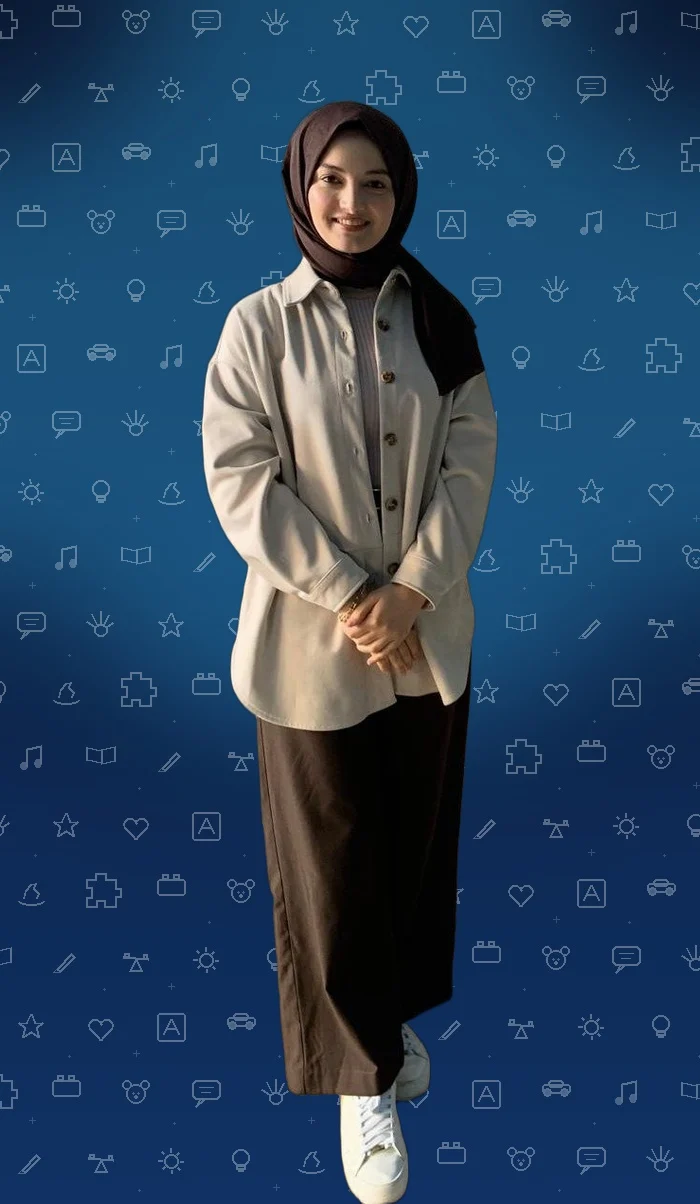
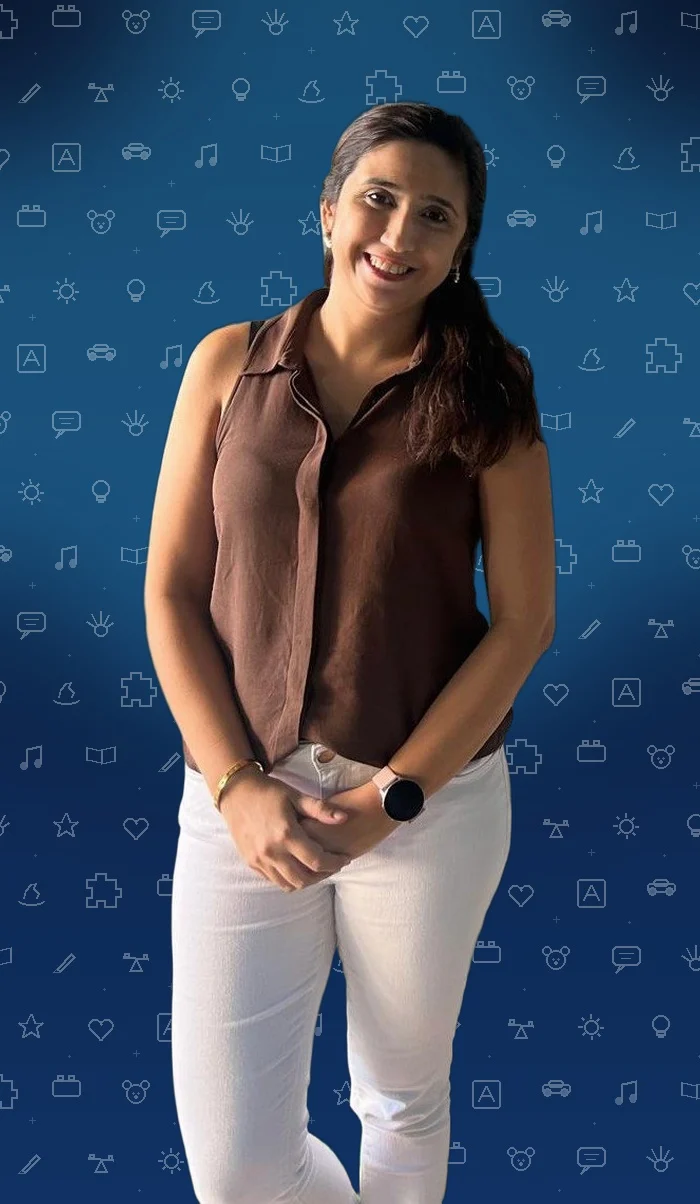
👩⚕️ Our Specialists in This Field & Related Resources
❓ Frequently Asked Questions About Group Special Education
How are students matched into group education classes?
Homogeneous groups of 2 to 4 students who can positively model behaviors for one another are formed based on chronological age, developmental level, language profile, and social adaptation skills.
What is the main difference between group education and individual education?
Concepts and skills acquired in individual sessions are transferred to real life during group education. Turn-taking, sharing, following group instructions, and peer play develop directly within the group setting.
Who decides whether my child is ready for group education?
The individual education teacher, our center psychologist, and the IEP (BEP) board evaluate the child's behavioral readiness and make a joint decision with the family.
Free Pre-Assessment & Information Appointment
You can book an appointment right away to obtain detailed information about this service of ours, to assess your child's situation with our specialist staff or to visit our institution.